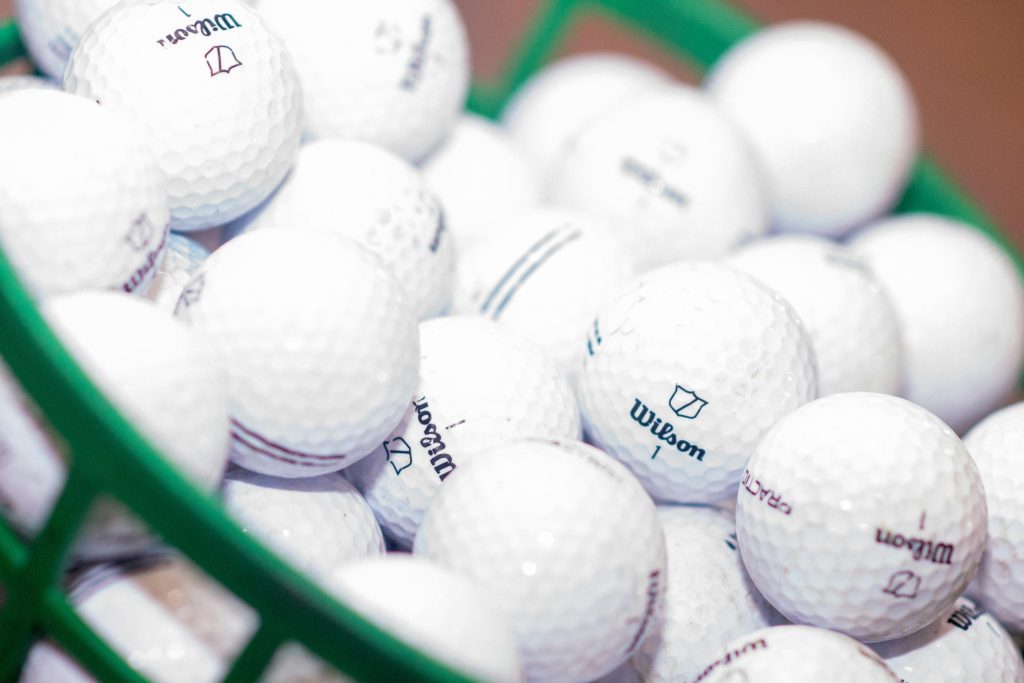
Choosing the right golf ball is one of the most overlooked decisions for new golfers. While clubs tend to get most of the attention, the type of golf ball you use can have a noticeable impact on your distance, control, and overall confidence on the course.
For beginners, the goal is not to find the most advanced or expensive golf ball, but to choose one that is easy to hit, forgiving, and cost-effective. In this complete guide, we explain exactly what golf balls beginners should use, why it matters, and how to make the right choice for your game.
Why Golf Balls Matter for Beginners
At first glance, all golf balls may look the same. However, differences in construction, compression, and materials can significantly affect performance.
For a beginner, the right golf ball can:
- Help you hit the ball further with less effort
- Reduce the impact of mishits
- Improve consistency and confidence
- Save money while you learn
Using the wrong type of ball—especially premium, high-spin models—can actually make the game more difficult.
Key Features Beginners Should Look For
Low Compression
Compression refers to how much a golf ball compresses when struck. Lower compression balls are softer and easier to hit, making them ideal for beginners with slower swing speeds.
Benefits of low compression:
- Easier to generate distance
- Softer feel at impact
- More forgiving on off-centre strikes
Reduced Spin
While experienced players often want more spin for control, beginners benefit from lower spin.
Lower spin helps:
- Reduce slices and hooks
- Keep the ball flying straighter
- Improve overall accuracy
Two-Piece Construction
Most beginner golf balls are made with a simple two-piece design:
- A solid core
- A durable outer cover
This construction provides:
- Greater durability
- More distance
- Lower cost
Durability and Price
Beginners tend to lose more balls. For this reason, it is important to choose balls that are affordable and durable.
There is little benefit in using expensive premium balls when you are still developing consistency.
Types of Golf Balls Explained
Understanding the main types of golf balls will help you make a more informed decision.
Distance Golf Balls
Designed to maximise distance, these balls have a firm core and low spin.
Best for:
- Beginners who struggle to hit the ball far
- Players with slower swing speeds
Soft Feel Golf Balls
These balls offer a softer feel and slightly more control while still maintaining forgiveness.
Best for:
- Beginners who want a balance between distance and feel
- Players focusing on short game improvement
Premium Tour Balls
High-end balls designed for advanced players, offering high spin and control.
Not recommended for beginners because:
- They are expensive
- They exaggerate spin mistakes
- They require a consistent swing to perform well
Best Golf Balls for Beginners (UK Recommendations)
While there are many options available, a few models consistently stand out for beginner golfers.
Callaway Supersoft
One of the most popular beginner golf balls available.
Key benefits:
- Very low compression
- Straight ball flight
- Excellent all-round performance
Best for:
Beginners looking for a reliable, forgiving ball.
TaylorMade Distance+
Designed for maximum distance and speed.
Key benefits:
- Strong distance performance
- Lower spin for straighter shots
- Affordable pricing
Best for:
Beginners who want to gain more distance.
Srixon Soft Feel
A well-balanced option offering both comfort and control.
Key benefits:
- Soft feel on impact
- Good control around the greens
- Consistent performance
Best for:
Beginners who want a softer feel without sacrificing distance.
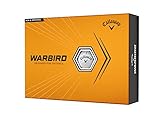
Callaway Warbird
A firmer ball designed for distance.
Key benefits:
- High ball speed
- Strong distance off the tee
- Durable construction
Best for:
Beginners focused on distance over feel.
Inesis Soft 500
A budget-friendly option widely available in the UK.
Key benefits:
- Affordable
- Easy to hit
- Good for practice and casual play
Best for:
New golfers who want a low-cost starting point.
How to Choose the Right Ball for Your Game
Choosing the right golf ball depends on your current ability and goals.
If You Struggle with Distance
Choose a distance-focused ball with low compression to help maximise your yardage.
If You Slice the Ball
Look for low-spin balls that help reduce side spin and improve accuracy.
If You Want Better Feel
A softer ball will give you more feedback and control, especially around the greens.
If You Are on a Tight Budget
Prioritise affordability and durability. Losing balls is part of the learning process.
Common Mistakes Beginners Make
Using Expensive Tour Balls
Many beginners assume that using the same balls as professionals will improve their game. In reality, these balls are designed for players with highly consistent swings.
For beginners, they can:
- Increase spin errors
- Reduce forgiveness
- Waste money
Switching Balls Constantly
Consistency is important. Using the same type of ball helps you understand how it reacts and improves your feel for the game.
Ignoring Compression
Using a ball that is too firm can make it harder to generate distance and control.
Should Beginners Use the Same Ball Every Round?
Yes. Using the same model consistently allows you to:
- Build familiarity
- Improve shot consistency
- Better understand your distances
Even if you lose balls during a round, sticking to the same type is beneficial.
When Should You Upgrade Your Golf Balls?
As your game improves, your needs will change. You may consider upgrading when:
- Your swing becomes more consistent
- You start focusing on spin and control
- You lose fewer balls per round
At this stage, experimenting with mid-range or premium balls can be worthwhile.
Final Verdict
For beginners, the best golf balls are those that are:
- Low compression
- Forgiving
- Affordable
- Durable
Options such as Callaway Supersoft, TaylorMade Distance+, and Srixon Soft Feel are excellent starting points.
The most important thing is not to overcomplicate the decision. A simple, well-chosen golf ball will help you learn the game more effectively and enjoy the experience.
Getting Started
If you are just beginning your golf journey:
- Choose a budget-friendly, low-compression ball
- Stick with one model consistently
- Focus on improving your swing and technique
As your skills develop, you can refine your equipment choices to match your playing style.
Final Note
Golf improvement comes from practice, patience, and experience. The right golf ball can support your progress, but it is consistency and time on the course that will make the biggest difference.